Home / Conditions / Mood Disorders
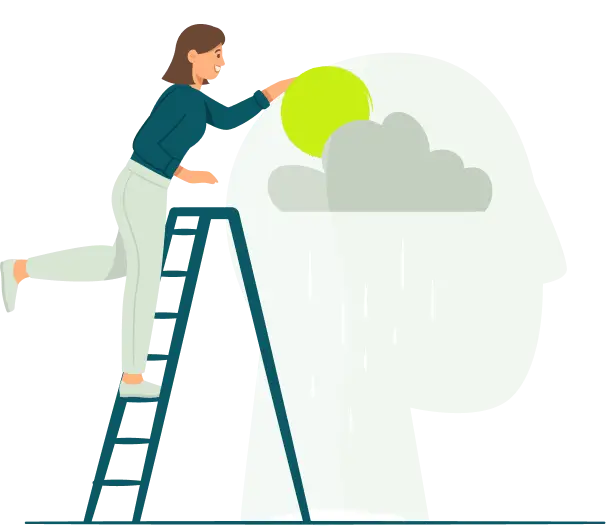
Mood Disorder Treatment Center in New Hampshire
Mood disorders can be complex, but expert care makes recovery possible. At Live Free Behavioral Health, our licensed clinicians use proven methods to stabilize mood, build resilience, and support mental wellness.
Why Choose Live Free Behavioral Health
With deep experience in mental health and substance use recovery, our team delivers compassionate care that’s informed and effective. Licensed therapists, psychiatric providers, and staff who’ve been through recovery themselves work together in a setting that combines proven treatment, nature, and meaningful connection.
Here’s how we stand out:
- Whole-Person Care: Clinical therapy, wellness routines, and nature-based activities work together to support emotional, physical, and spiritual recovery.
- Personal Treatment Plans: No two paths are the same. We build a customized treatment plan around your story, your goals, and your pace.
- Family Involvement: Loved ones are included from day one through therapy, education, and regular updates. Healing works better with home support.
- Life Design Empowerment: We go beyond symptom management by helping you develop real-world skills that prepare you for long-term stability and meaning.
What Are Mood Disorders per the DSM-5?
Mood disorders affect a person’s long-term emotional state. They go beyond everyday mood changes and often need clinical treatment.
The DSM-5 (Diagnostic and Statistical Manual of Mental Disorders, Fifth Edition) is the guide used by mental health professionals to diagnose these conditions. It groups mood disorders into two main types: depressive disorders and bipolar-related disorders.
Common signs include:
- Persistent sadness or low energy
- Mood swings or irritability
- Mania or episodes of high activity
- Trouble with sleep, focus, or daily tasks
Mood disorders are among the most common mental health conditions in the US (NCBI, 2023). But with the right treatment, recovery is possible.
Types of Mood Disorders We Treat
- Major Depressive Disorder (MDD)
- Persistent Depressive Disorder (Dysthymia)
- Bipolar I and II Disorder
- Cyclothymia
- Premenstrual Dysphoric Disorder (PMDD)
- Seasonal Affective Disorder (SAD)
- Disruptive Mood Dysregulation Disorder (DMDD)
- Substance/medication-induced mood disorders
- Mood disorder due to a medical condition
- Unspecified depressive or bipolar-related disorders
Evidence-Based Treatment Options We Offer
We use proven therapies and approaches that help stabilize mood, build resilience, and support whole-person healing.
CBT, DBT, and Trauma-Informed Therapy
We use cognitive-behavioral therapy (CBT) to shift negative thinking and dialectical behavior therapy (DBT) to build emotional control. Every session is trauma-informed, offering care that’s grounded, respectful, and safe.
Psychiatric Evaluation and Medication Management
Our psychiatric team provides detailed assessments and ongoing medication support. Medication can be used short or long term, depending on your needs, and is always supervised closely to support stability and wellness.
Life Coaching and Life Design Integration
You’ll work with a life coach to set personal goals and create a structure that supports lasting change. Life design empowerment tools help you build routines, restore direction, and move forward with purpose.
Co-Occurring Conditions: When Dual Diagnosis Applies
Dual diagnosis means you’re facing a substance use disorder and a mental health condition. We’ll assess which is primary (mental health or addiction) and build an integrated plan for long-term recovery.
Client Testimonials
Hear from people who’ve walked this path and found real change.
Thank you to all the staff at live free residential for helping me get to where I am now. I am so appreciative to them helping me jump start my life. They have amazing counselors and staff who helped me with all my aftercare needs. I am so grateful for this program!!!!!!
This place is awesome! The staff is great! They’re caring, compassionate, and empathetic. They treat each resident individually to meet each of their needs. 24 hr nursing staff helps with each residents detox needs. They also help with after care plans and placement back into the community. Peers also are very supportive to eachother, I highly recommend live free recovery to anyone looking for help with addiction.
The facility and staff were extremely helpful and accommodating with my detox. It was a calm environment and the nurses were always available to meet whatever needs I had to help me transition. I would highly recommend coming here if you are looking for help with any addiction.
Our Diagnostic and Assessment Approach
From the first call, our intake process is thoughtful and private. You’ll speak with a licensed professional who listens carefully to your concerns, symptoms, and goals. We use structured interviews and clinical tools to understand your symptoms, history, and needs, with optional input from loved ones if helpful.
Who Needs Mood Disorder Treatment?
Our mood disorder program is for medically stable adults who are ready to engage in structured care to heal. It’s a good fit if you:
- Struggle with mood swings or daily functioning
- Feel stuck, overwhelmed, or unsafe
- Need structure and 24/7 support to stabilize
- Want care in a calm, focused environment
Our Admission Process
Getting started is easier than you think. We’ve designed our admissions process to be fast, respectful, and stress-free. From your first call, we’re here to support and guide you.
Call or complete our online form
Connect with an admissions coordinator
Complete your private assessment
We determine which level of care suits your needs
We verify insurance and explain the next steps
You receive your admission date and packing info
Our team is available 24/7 to answer questions or talk things through.
Ready to Reclaim Your Life? Contact Our Specialists
Get In Touch
FAQs About Mood Disorders and Treatment
What’s the difference between depression and bipolar?
Depression involves an ongoing low mood, while bipolar disorder includes both depression and episodes of elevated or irritable mood.
Is anxiety a mood disorder?
No. Anxiety is a separate type of mental health condition, but it can co-occur with mood disorders.
How long does treatment last?
Treatment duration depends on your needs. Some people benefit from a few weeks; others may stay for several months.
Can I bring my medication?
Yes. We’ll review all medications during intake and continue any prescriptions that support your treatment plan.
Do you accept dual diagnosis?
Yes, we do. We specialize in treating substance use and mental health disorders concurrently.
Our Mental Health Resources
Get to know our experienced staff members who bring both clinical expertise and personal insight to the recovery journey.
See published content about our innovative approach to treatment and our impact in New Hampshire communities.
Access helpful tips and expert-backed mental health information. Explore insights into different conditions and advice for ongoing recovery.